
Exhibitions
From 14 to 18 June 2026, DiGRA 2026 will showcase a selection of innovative digital and analogue games throughout the Arts Building at Maynooth University. These selected works bring together creative practice, research, experimentation, and play, reflecting the conference theme of Intersectional Pleasures through diverse approaches to game design, storytelling, community, technology, and social engagement.


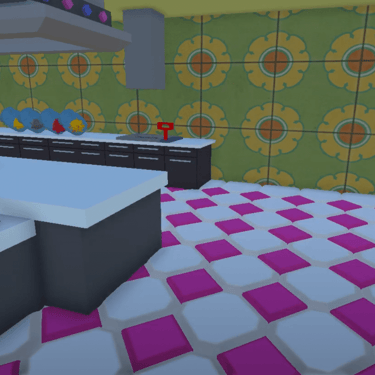
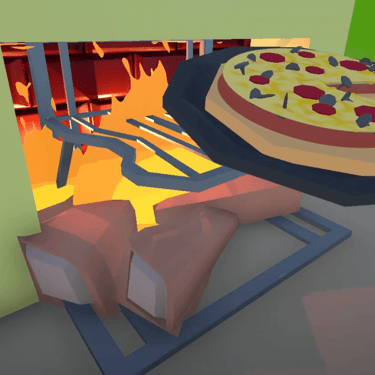
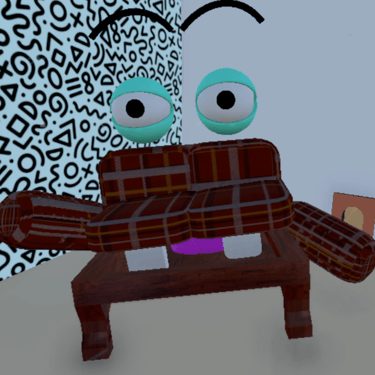
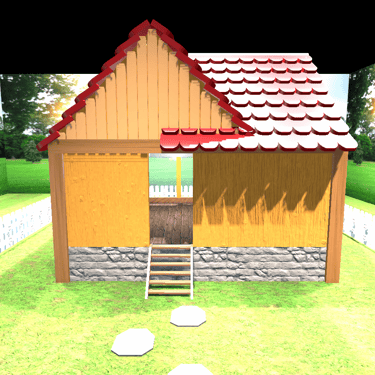
Dolly’s World
Sarah Schoemann
Description: Dolly’s World is an escape-room-style VR game for the Meta Quest. Set inside a surreal fictional 1990s and 2000s children’s television show, the game follows Bee, a recent college graduate working in a fast casual pizza restaurant, and her coworker and partner Jess. Through room-scale environmental puzzles, players uncover the couple’s relationship, workplace tensions, class dynamics, worker rights, and suspicions of wage theft. The project foregrounds queer romance and service work, bringing together questions of identity, labour, and class in a VR context where queer stories remain underrepresented.


Bad Games Showcase
David Antognoli
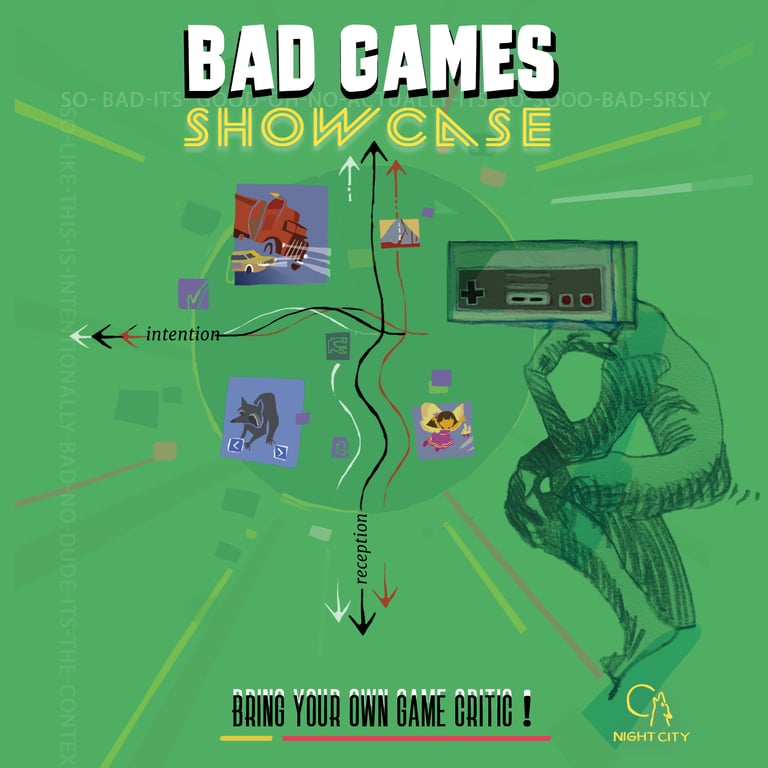
Description: Bad Games Showcase reframes “bad” video games not as simple failures, but as playful and critical sites of pleasure. The exhibition presents a curated arcade of games shaped by glitches, janky controls, ugly graphics, shovelware, awkward design, and intentional badness. Visitors are invited to play, discuss, and map examples of bad games onto an interactive chart that explores how intention, reception, taste, and cultural value shape judgements of quality. The project celebrates failure, humour, community, and the pleasures of critically reinterpreting games that sit outside dominant ideas of “good” design.

Fragment: A Story in Growing
Song Han
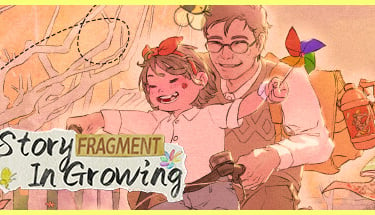
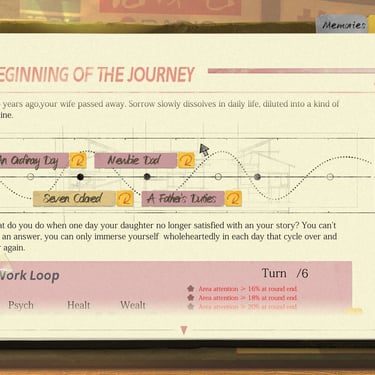
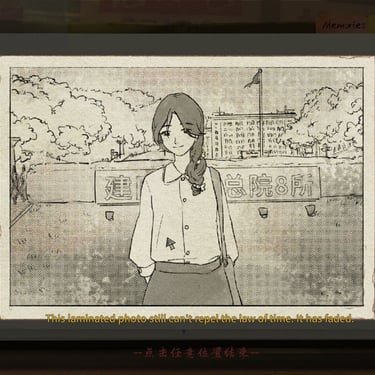
Description: Fragment: A Story in Growing is a stream-of-consciousness life simulator set in a small Chinese town as the millennium approaches. The player takes on the role of an ordinary father raising his daughter from infancy toward adulthood while carrying the pressures of daily life. The game is built around emotional moments, family routines, familiar places, changing relationships, and the small decisions that shape memory. Through text-based play, warm visuals, sound, and personalised albums of player choices, it explores parenthood, childhood, care, nostalgia, and the emotional weight of ordinary life.


Broken Clocks: Victorian Clockmaker Simulator
Tiziano Coppoli
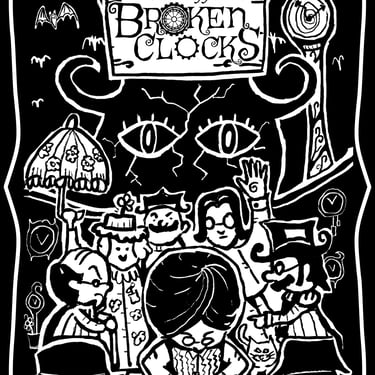
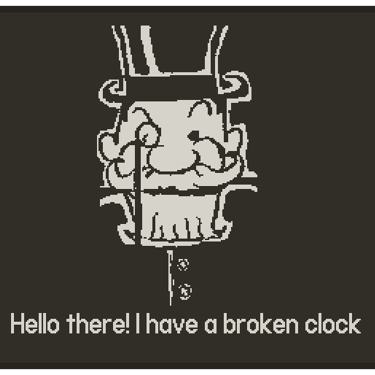
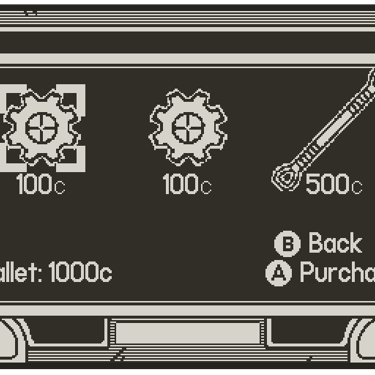
Description: Broken Clocks is a Playdate game in which the player becomes a new clockmaker repairing the broken clocks of townspeople. Each day, players meet peculiar characters and solve mechanical puzzles using cogs, gears, and increasingly strange objects. Although the game begins with precision and mechanical order, its deeper theme is imperfection. As players build clunky, unstable, and surprising mechanisms, the broken clocks become reflections of the people who own them, and of human beings more broadly: imperfect, imprecise, but somehow still working beautifully. The game connects spatial reasoning, visual pleasure, problem-solving, and the beauty of broken systems.


Nekronóm: The Card Game of The Alliance of the Known Realms
Balint Mark Turi
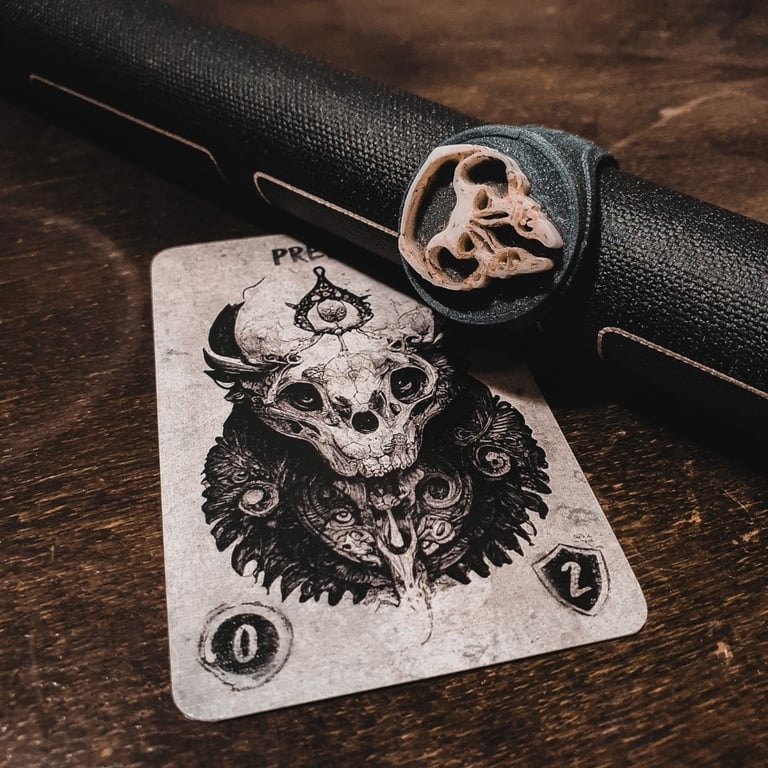
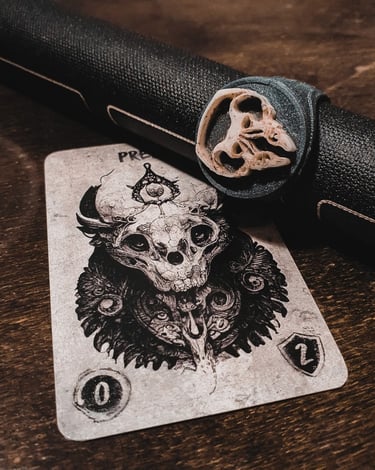
Description: Nekronóm is a deck-building collectible strategy card game based on the world of Nadili fantasy camp, part of the Hungarian Ring Camps and the wider Bánk tradition. Emerging from a live-action role-playing environment, the game uses lore, cards, camp culture, and community play to connect analogue and digital game practices. It is also inspired by the first act of Inscryption, functioning as an analogue mod or hack of a digital deck-building game. The project explores game design, folk tradition, community memory, AI-generated card art, and embodied role-playing heritage. Visitors can play the game, examine its context, and access further materials through QR-linked resources.
Layers Upon Layers
Aidan Strong
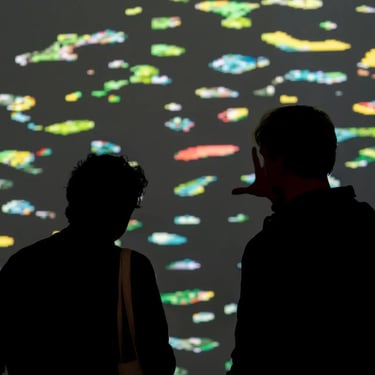
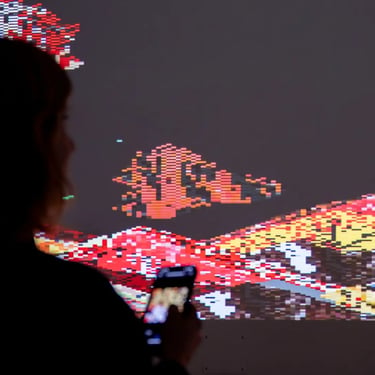
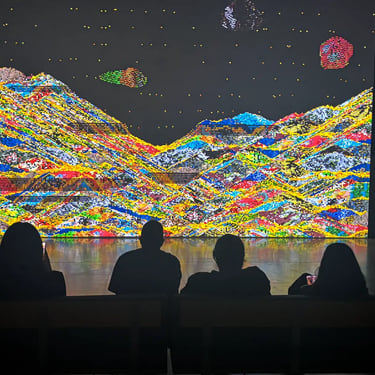
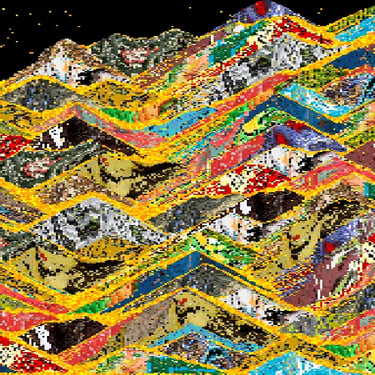
Description: Layers Upon Layers is a multiplayer sand simulation set in a pixelated world where abstract figures fall from the sky, crash into the ground, and merge with the landscape. Players join through their phones and dig away sections of sand, gradually reshaping the terrain together. Through this collective process, players contribute to the historical topology of the world, leaving traces of their actions within a shared environment. The game explores collaborative multiplayer play beyond traditional competitive games or MMOs, focusing instead on persistence, landscape, memory, and collective agency.
Candytrail
Laura Pega
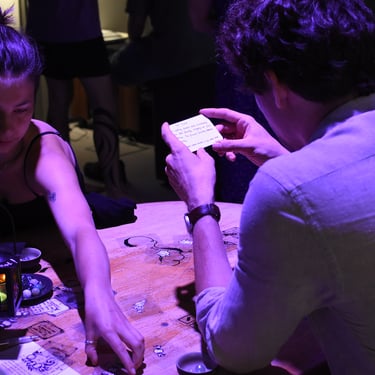
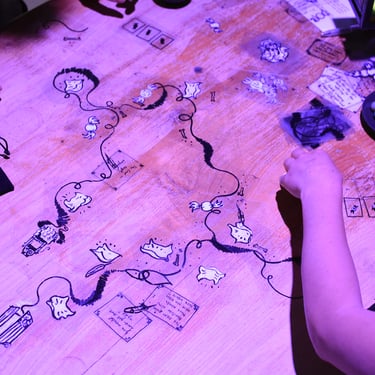
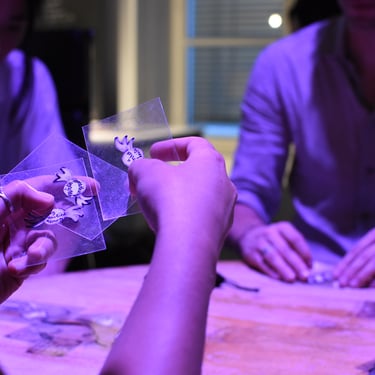
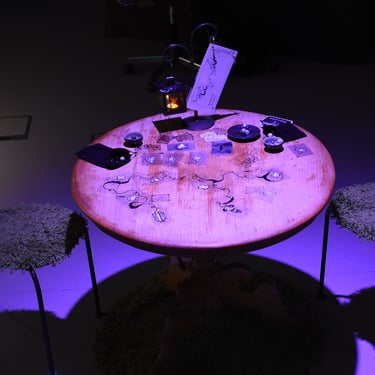
Description: Dolly’s World is an escape-room-style VR game for the Meta Quest. Set inside a surreal fictional 1990s and 2000s children’s television show, the game follows Bee, a recent college graduate working in a fast casual pizza restaurant, and her coworker and partner Jess. Through room-scale environmental puzzles, players uncover the couple’s relationship, workplace tensions, class dynamics, worker rights, and suspicions of wage theft. The project foregrounds queer romance and service work, bringing together questions of identity, labour, and class in a VR context where queer stories remain underrepresented.
Last Breath
Karthik Kuduva Gopinath
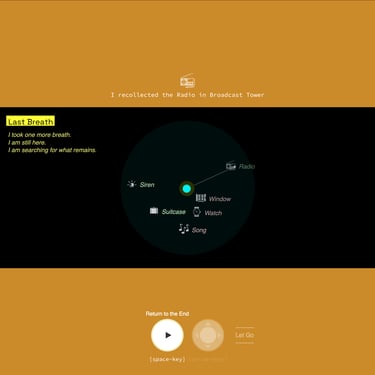
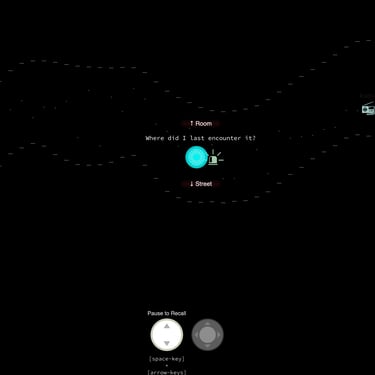
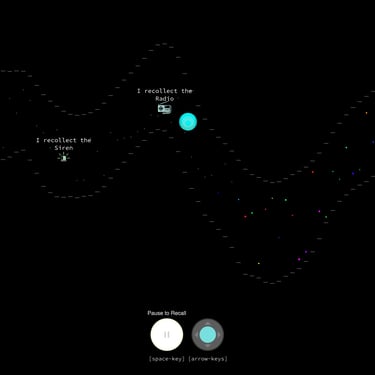
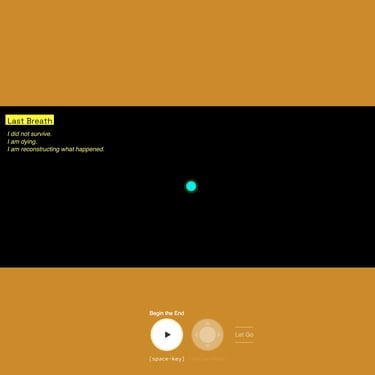
Description: Last Breath is a minimalist game-poem in which the player becomes a disembodied soul suspended at the threshold of death. Through short repeating loops, the player encounters memory objects such as a key, watch, ticket, or suitcase, gradually reconstructing fragments of the life that led them there. The game uses reflective choices, repetition, memory, and shifting agency to move from intimate personal recollection toward wider social, infrastructural, and ecological concerns. As the loops continue, the player’s agency becomes increasingly restricted, mirroring the emotional and temporal systems explored by the work.
Promesa
Mikael Jakobsson
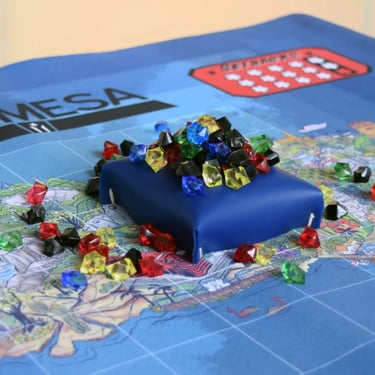
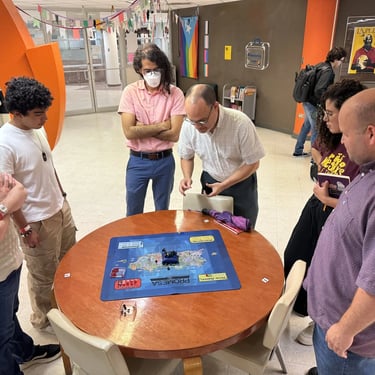
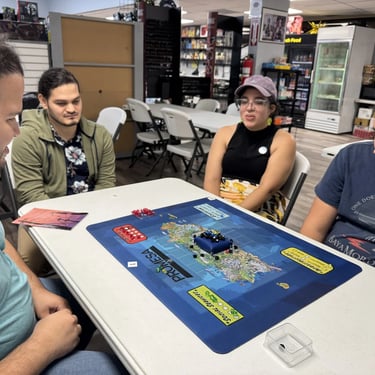
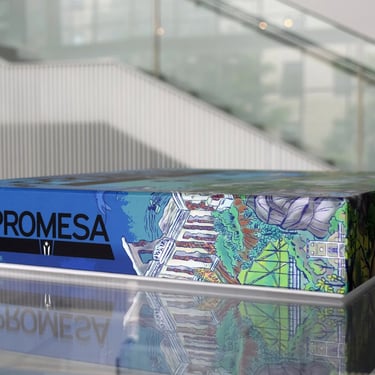
Description: Promesa is a cooperative board game about the debt crisis in Puerto Rico. Players take on the role of the local government and must work together to manage infrastructure, education, social services, political action, and debt before natural disasters overwhelm the archipelago. The project challenges colonial narratives often found in games about Puerto Rico and instead foregrounds Puerto Rican voices, lived experiences, and counter-colonial game design. Through strategic decision-making and dexterity-based challenges, the game represents the precariousness of Puerto Rico’s situation while maintaining an inviting and joyful play experience.
KronoDonum
Jenna Caravello
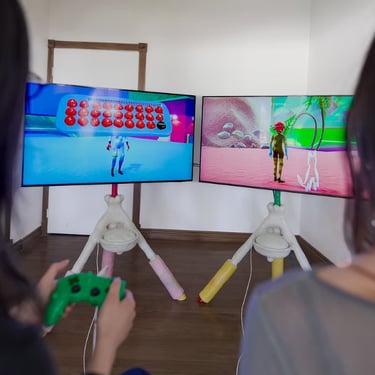
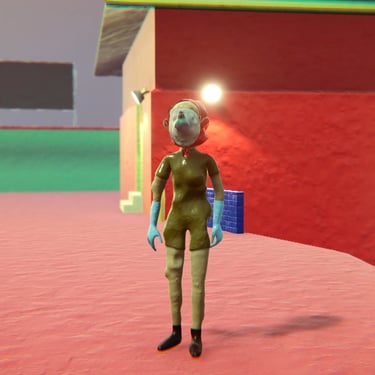
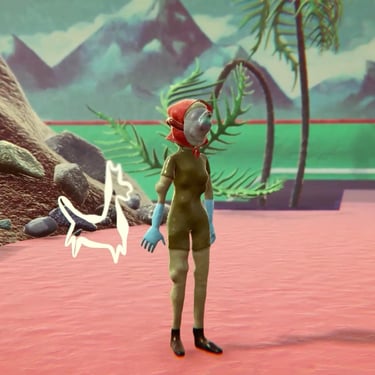
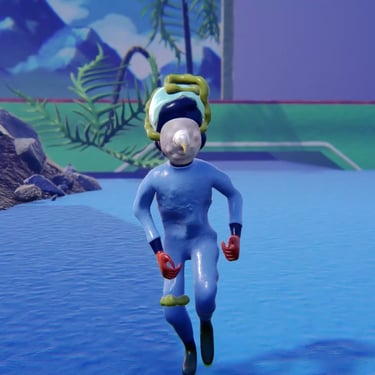
Description: KronoDonum is a two-player gift exchange played across two screens. Players use custom controllers to type memories and requests, creating objects that appear in each other’s digital worlds. When both players place the same gift in the same area, it becomes part of a shared environment, but if either player becomes inactive, their contributions dissolve. The game is a meditation on digital nesting, online friendship, care, co-presence, ephemerality, and intimacy. Inspired by a real friendship formed in VRChat during the pandemic, it explores the tenderness and fragility of connection in networked play
Coco’s Revenge
Paul O’Callaghan
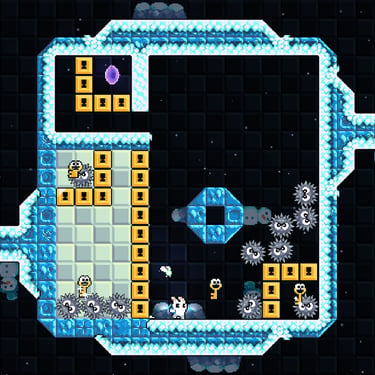
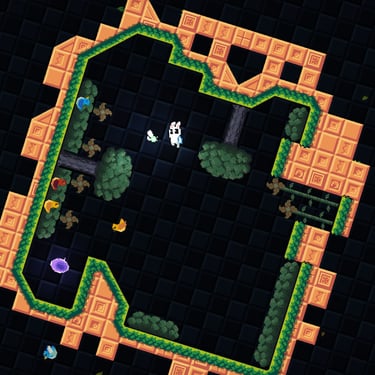
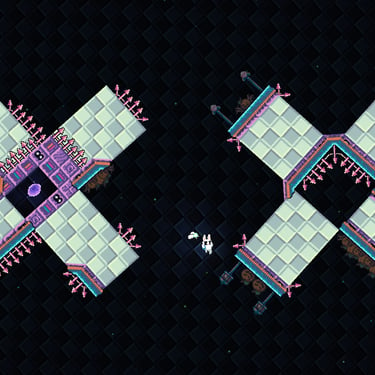
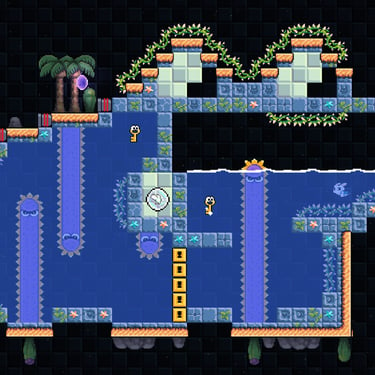
Description: Coco’s Revenge is an innovative platformer that flips the genre on its head, literally. Players rotate the stage, move between positive and negative space, and race to reach the goal as quickly as possible. The game features three playable characters and follows their attempt to defeat the evil Dr. Wily Fox, save the sky, and protect their island. The project plays with spatial transformation and platforming conventions, creating pleasure through movement, speed, rotation, and visual inversion.
Causeway
Sean Carton
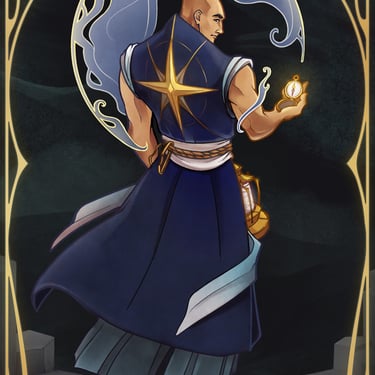
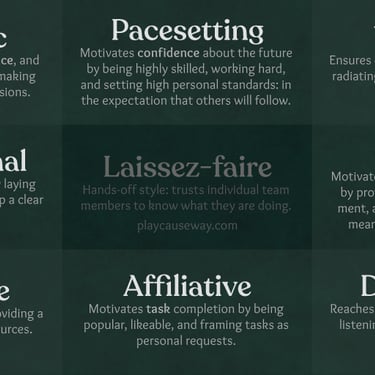
Description: Causeway is a 5v5 lane-pushing PC game designed to make teams feel like teams. It reframes competitive multiplayer through leadership as a learnable and inclusive skill, aiming to address toxicity in online play. Set in a fantasy world inspired by Art Nouveau, Irish crochet lace, illustrative fantasy, and the Giant’s Causeway, the game connects visual craft with themes of care, leadership, and cooperation. Its large cast of leader characters represents different leadership styles, values, needs, and boundaries. Through mechanics that reward cooperative decision-making and positive-sum thinking, Causeway explores how game systems can encourage respectful, inclusive, and prosocial team play.
Toy Worlds Atlas
Nikita Stulikov
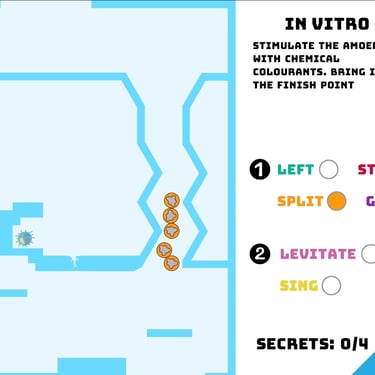
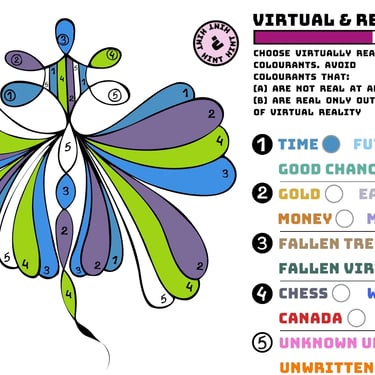
Description: Toy Worlds Atlas is a colouring book game that combines philosophy, game design theory, and creative puzzle-solving. Each level presents a colouring puzzle connected to an intellectual theme, such as virtual reality, deconstruction, perception, or subjective worlds. Players solve puzzles in multiple ways, creating unique colour combinations and contributing creatures to a shared “Orangery” scene where their creations interact. The game draws on ideas of partial perception, subjective realities, and shared worlds, turning philosophical reflection into a playful, visual, and participatory experience. It is designed as a playground for diverse player agencies, perspectives, and creative approaches to mechanics.
Update: Toy World Atlas will no longer be exhibited on-site at DiGRA 2026. please check out their work online.